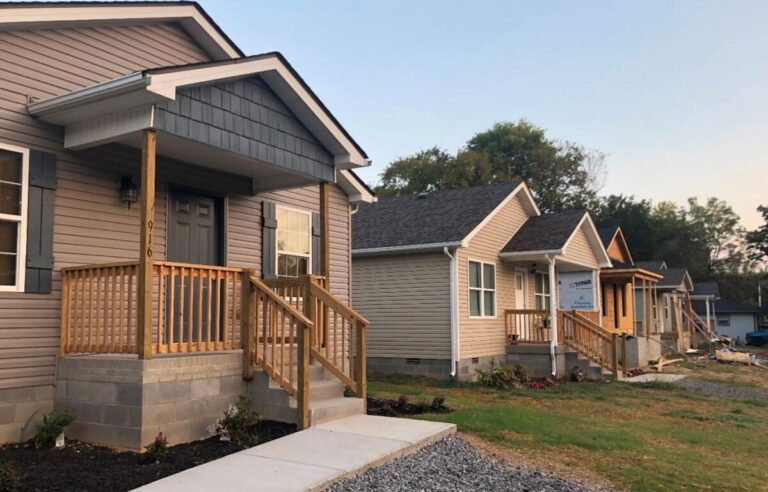
Transitional Housing for Families Programs, Benefits, and Real-World Solutions in 2025
Transitional housing for families is a critical solution for those facing homelessness or housing instability. It provides a safe, temporary living environment while families work toward securing permanent housing. Unlike emergency shelters, transitional housing programs are designed to offer stability, access to supportive services, and the time needed for families to rebuild their lives.
This article explores what transitional housing for families means, why it matters, the benefits it provides, real-world examples, and how technology is shaping the future of housing support.
Understanding Transitional Housing for Families
Transitional housing serves as a bridge between emergency shelters and permanent homes. Families who have lost housing due to financial struggles, domestic violence, or unexpected crises can move into transitional units for a limited period, usually six months to two years.
During this time, families not only gain safe shelter but also access supportive services such as counseling, job readiness programs, financial literacy workshops, and healthcare assistance. This holistic approach ensures that housing is not just temporary relief, but a foundation for long-term independence.
Why Transitional Housing Is Essential
Family homelessness is often more complex than individual homelessness because it involves children and parents who must navigate safety, stability, and education simultaneously. Without stable housing, children face disrupted schooling, while parents struggle to secure employment or a consistent income.
Transitional housing addresses these challenges by offering a stable environment where children can continue their education uninterrupted and parents can focus on regaining employment. It reduces the risk of families becoming trapped in a cycle of chronic homelessness.
Key Components of Transitional Housing Programs
Safe and Stable Living Environments
At the core of transitional housing is the provision of safe, secure living spaces. Unlike crowded shelters, transitional housing often consists of apartments or small units that allow families to maintain a sense of privacy and normalcy. This is essential for restoring dignity and emotional stability.
Access to Supportive Services
Families in transitional housing typically receive wraparound support services. These include case management, childcare assistance, access to healthcare, and mental health counseling. The goal is to address the root causes of homelessness, not just the immediate need for shelter.
Real-World Examples of Transitional Housing for Families
1. Family Promise Transitional Housing Programs

Family Promise is a nonprofit organization in the United States that provides transitional housing and support services to homeless families. Their programs often involve partnerships with local communities and volunteers, offering both housing and job training.
This model has proven effective because it integrates temporary housing with personalized case management. Families not only find a safe place to live but also gain access to financial planning resources, childcare, and employment opportunities that prepare them for long-term stability.
2. Bridge Housing in Los Angeles

The city of Los Angeles has implemented “bridge housing” programs designed to transition families from homelessness into stable housing. These facilities provide temporary homes along with comprehensive services such as substance abuse counseling, mental health support, and employment training.
The emphasis on community integration helps families adapt to living in stable environments while preparing for permanent housing. By addressing both housing and personal development, bridge housing models reduce the likelihood of families returning to homelessness.
3. UK Family Support Transitional Programs

In the United Kingdom, transitional housing initiatives focus on combining housing with educational continuity for children and skill-building opportunities for parents. Families are placed in temporary accommodations while receiving guidance on financial literacy, employment, and long-term housing solutions.
This holistic model ensures that children remain in school without disruption and that parents have the resources to secure future independence. The integration of social care with housing support has proven to be one of the most effective strategies in reducing family homelessness in the UK.
4. Technology-Based Housing Platforms
Some nonprofit organizations and cities are leveraging technology to streamline transitional housing programs. Mobile applications and digital platforms allow families to locate available transitional housing units, apply for assistance, and connect with case managers in real-time.
For example, in some U.S. states, platforms track housing availability and automatically match families with open units, significantly reducing waiting times. This integration of technology ensures that families can access housing resources faster, minimizing time spent in unsafe or unstable environments.
The Benefits of Transitional Housing for Families
Transitional housing offers several benefits that extend beyond immediate shelter.
First, it provides stability. Families can live in safe, private environments where children feel secure and parents can concentrate on rebuilding their lives. Unlike emergency shelters, transitional housing allows families to experience a sense of home.
Second, it delivers personalized support. By offering wraparound services such as counseling, financial planning, and job training, families are better equipped to overcome the obstacles that led to homelessness in the first place.
Third, transitional housing encourages long-term independence. With structured timelines, families are motivated to achieve goals, such as securing employment and saving for permanent housing. This structured approach helps prevent future homelessness.
The Role of Technology in Transitional Housing
Technology is playing a transformative role in modern housing solutions. Digital platforms help service providers coordinate support efficiently, while families can use mobile apps to find resources quickly.
Case management systems also benefit from technology. By maintaining centralized digital records, agencies avoid duplication of services and can collaborate more effectively. Families no longer need to retell their stories multiple times, reducing emotional stress.
Furthermore, technology enables data-driven insights. Organizations can track outcomes, measure the effectiveness of programs, and adapt services to meet evolving needs. This ensures resources are used efficiently and families receive the most effective support possible.
Use Cases: How Transitional Housing Solves Real Problems
Preventing Chronic Homelessness
By providing a structured timeline and supportive services, transitional housing prevents families from falling into cycles of long-term homelessness. It bridges the gap between temporary shelters and permanent homes.
Supporting Educational Continuity for Children
Children often face the harshest consequences of homelessness through disrupted schooling. Transitional housing ensures they remain in stable environments, reducing academic and emotional setbacks.
Building Financial Independence
Through financial literacy training and employment support, transitional housing equips parents with tools to secure stable incomes. Over time, this reduces reliance on external assistance.
Addressing Trauma and Mental Health Needs
Many families experiencing homelessness also deal with trauma or mental health challenges. Transitional housing programs often provide counseling and support, helping families rebuild their emotional resilience.
Frequently Asked Questions
Q1. How long can families stay in transitional housing?
Most transitional housing programs allow families to stay between six months and two years. The goal is to provide enough time for families to regain stability and prepare for permanent housing.
Q2. What services do transitional housing programs typically include?
Services often include case management, job readiness training, childcare assistance, healthcare referrals, and counseling. These services are designed to address both immediate needs and long-term goals.
Q3. How does transitional housing differ from emergency shelters?
Emergency shelters provide short-term relief in crises, often for days or weeks. Transitional housing, on the other hand, offers a longer-term solution with supportive services that prepare families for permanent housing.