Suburban Smart Homes Technology, Benefits, and Real-World Examples in 2025
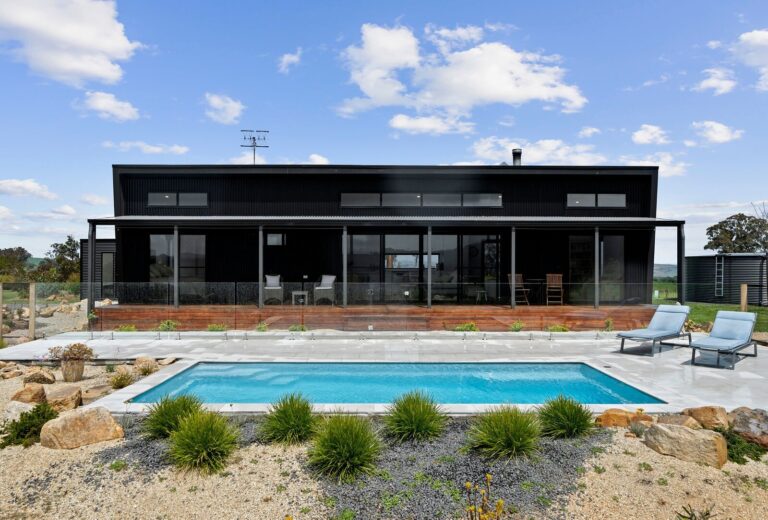
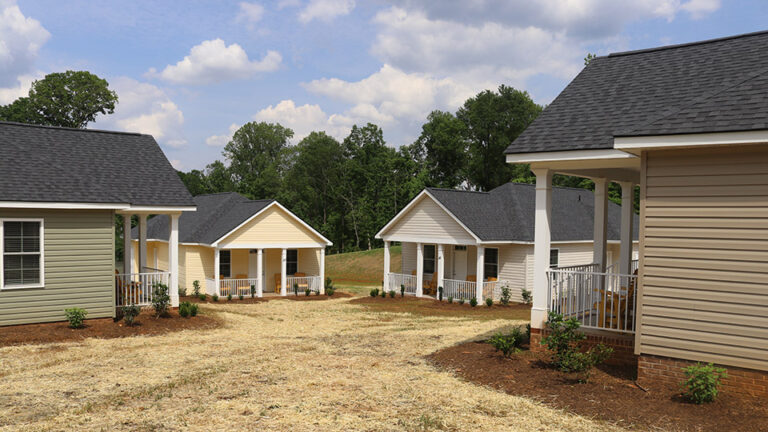
Suburban smart homes are properties located outside city centers that integrate advanced smart technologies to provide convenience, energy efficiency, and security. Unlike traditional suburban homes, which typically emphasize space and comfort, smart suburban homes combine these features with automation, artificial intelligence, and connected devices to create a seamless living experience.
The rise of suburban smart homes is fueled by growing demand for sustainable living, safety, and digital convenience. Families moving away from crowded urban centers often prioritize larger spaces, which makes suburban housing the ideal environment to incorporate advanced smart technologies. This balance of modern comfort and high-tech systems has transformed suburban neighborhoods into hubs of innovation.
Key Features of Suburban Smart Homes
Smart homes in suburban areas often emphasize integration and adaptability. Unlike city apartments that may have limited installation options, suburban properties allow for more flexibility in building comprehensive smart systems. Key features include:
-
Smart lighting systems that adjust based on occupancy or natural daylight.
-
Automated security systems with cameras, sensors, and facial recognition.
-
Energy-efficient appliances that reduce electricity usage and integrate with renewable energy sources.
-
Voice-controlled assistants that centralize control of multiple devices.
-
Smart HVAC systems that monitor temperature, humidity, and air quality for healthier living.
These features work together to improve daily routines, reduce waste, and enhance safety, making suburban homes more connected than ever before.
Real-World Examples of Suburban Smart Homes
1. Google Nest Learning Thermostat
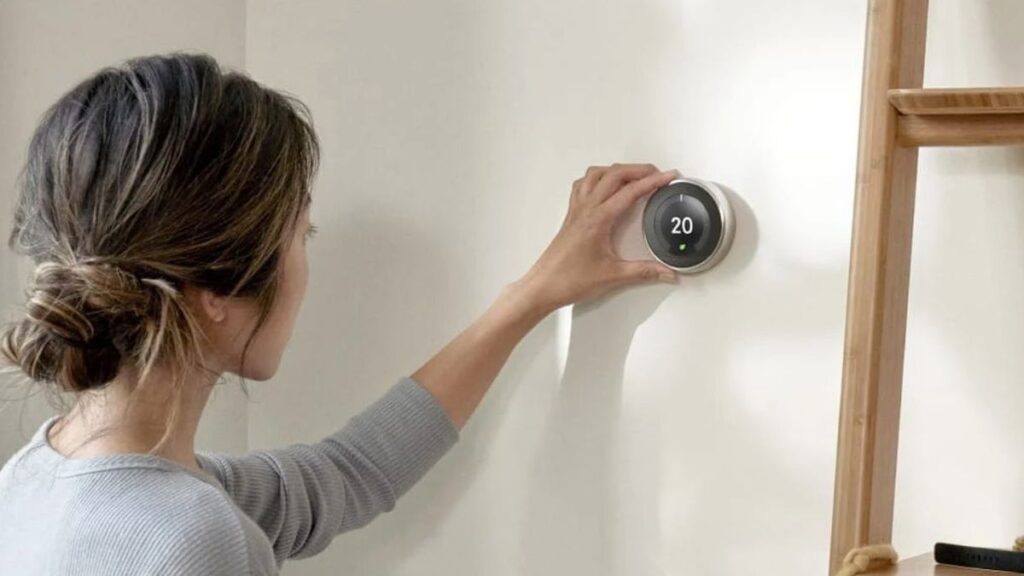
One of the most recognized devices in suburban smart homes is the Google Nest Learning Thermostat. This device learns household routines and automatically adjusts heating or cooling based on patterns. For suburban homes, where HVAC systems often run for longer periods due to larger spaces, the Nest Thermostat provides significant energy savings. It can also be managed remotely, allowing families to adjust temperatures before arriving home.
Beyond temperature control, the system provides insights into energy consumption. Families in suburban areas can use these insights to balance comfort and efficiency, especially in climates with extreme seasonal changes.
2. Ring Video Doorbell Pro

The Ring Video Doorbell has become a staple in suburban neighborhoods. With larger properties and increased distance between houses, security and awareness of who is at the door become essential. The Ring Video Doorbell Pro allows residents to see, hear, and communicate with visitors via smartphone apps.
For suburban families, this technology addresses concerns about package theft, unexpected visitors, and after-dark safety. The doorbell integrates with other smart security systems, enhancing the sense of safety in communities where traditional policing may take longer to respond.
3. Philips Hue Smart Lighting System
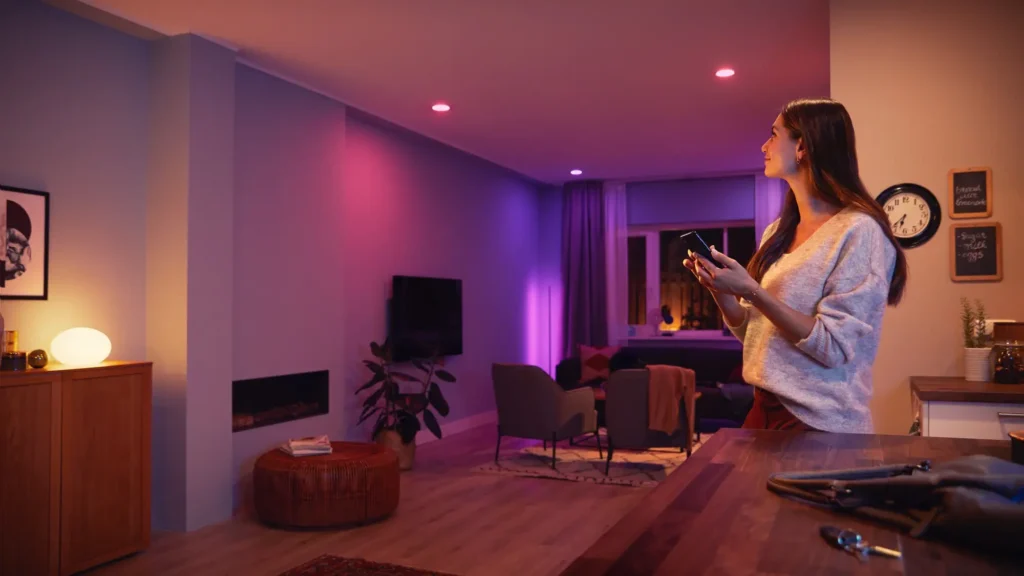
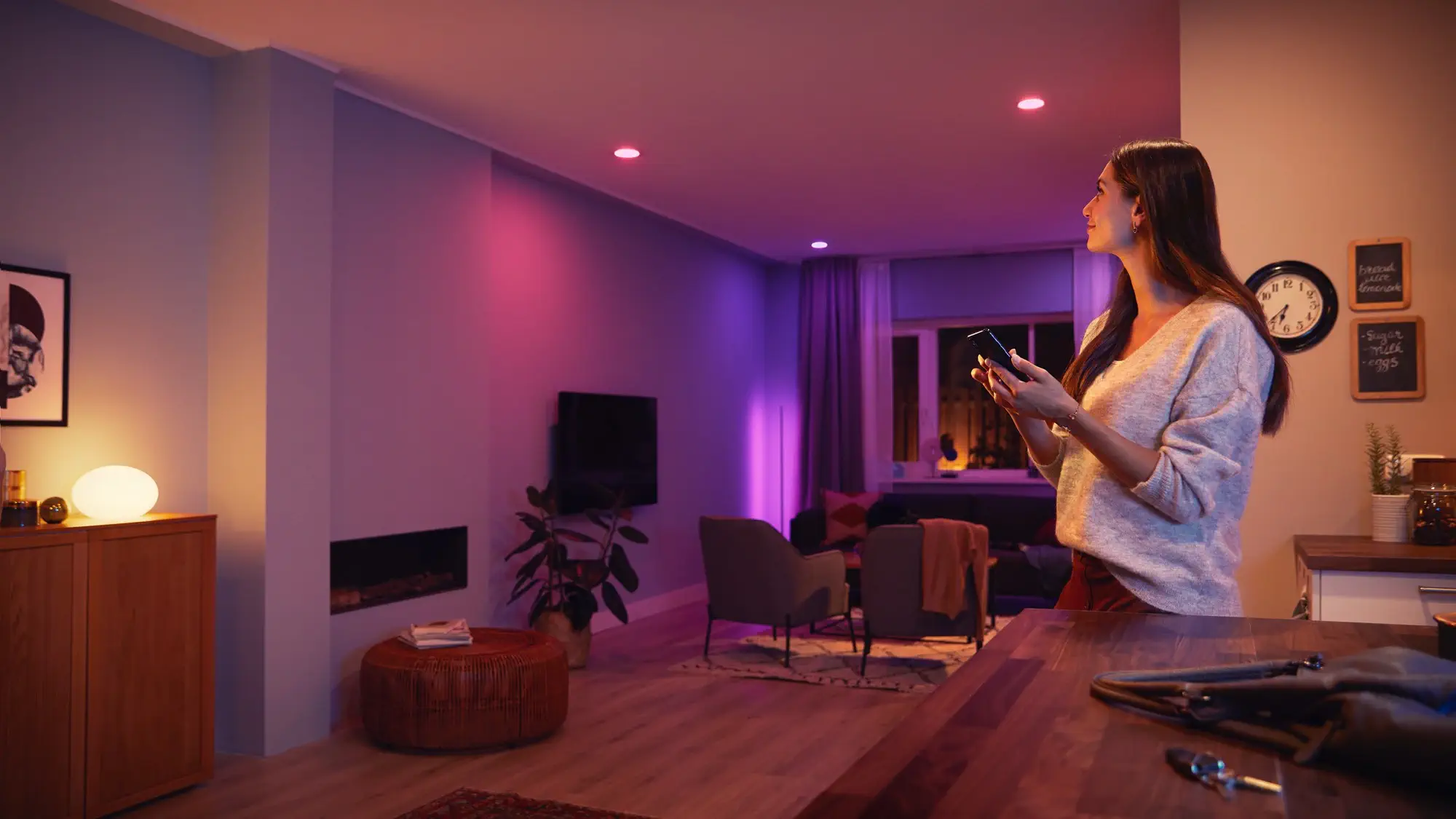
Lighting plays a vital role in suburban living, both inside and outside the home. Philips Hue smart lighting systems allow homeowners to create customized lighting environments for every situation. Outdoor smart lighting can be programmed to illuminate driveways, backyards, and porches, providing both security and ambiance.
For interiors, lighting schedules can be programmed to simulate presence when residents are away. In larger suburban homes where security and atmosphere matter equally, Philips Hue provides both functionality and aesthetic value.
4. Ecovacs Deebot Robotic Vacuum
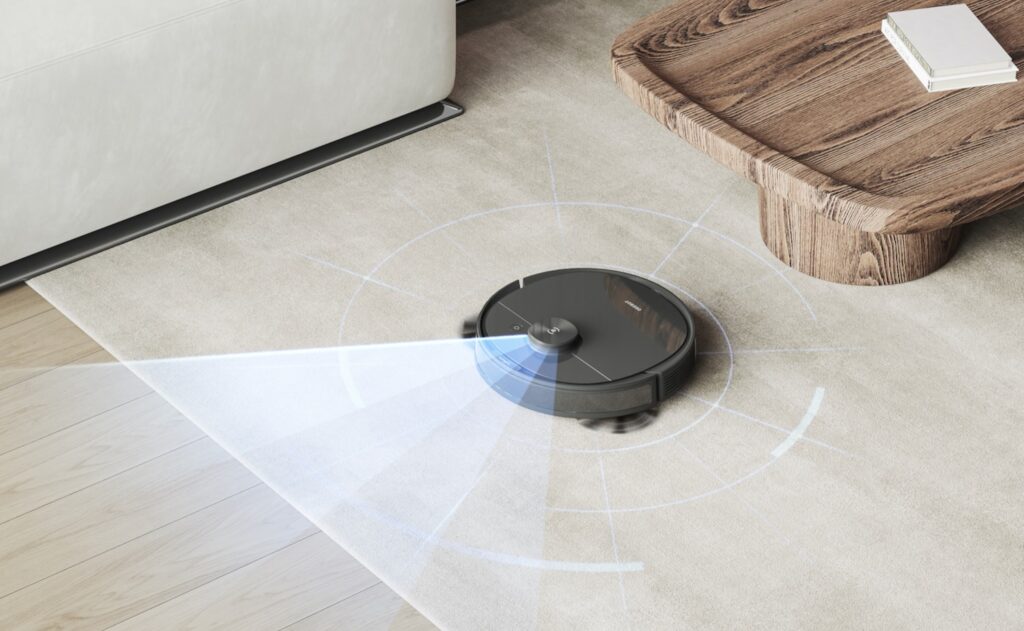
Maintaining cleanliness in spacious suburban homes can be time-consuming. The Ecovacs Deebot robotic vacuum offers automated cleaning schedules that suit families with larger floor areas. It maps the house and systematically cleans rooms, navigating carpets, hardwood floors, and even multi-level spaces.
This is particularly useful for families balancing work-from-home lifestyles and daily routines. With smart integration, residents can activate cleaning remotely, ensuring the house remains clean even during busy schedules.
Benefits of Suburban Smart Homes
Enhanced Security
Security is a primary benefit of suburban smart homes. With properties spread across larger areas, the need for advanced monitoring increases. Smart surveillance cameras, automated alarms, and motion sensors provide peace of mind by ensuring round-the-clock protection. Suburban homeowners can monitor their property remotely, reducing risks of theft and intrusion.
Energy Efficiency and Sustainability
Suburban smart homes are designed with energy optimization in mind. Smart thermostats, efficient lighting, and energy monitoring systems help homeowners track and reduce consumption. This results in lower utility bills and a reduced environmental footprint. For families installing solar panels, integration with smart energy systems ensures maximum efficiency.
Convenience and Lifestyle Upgrades
From automated cleaning to voice-controlled devices, suburban smart homes improve everyday life. Routine tasks such as adjusting lighting, setting the thermostat, or managing appliances can be handled effortlessly through apps or voice commands. Families benefit from time savings and improved comfort, which align perfectly with suburban living values.
Health and Wellness Benefits
Indoor air quality monitors, smart HVAC filters, and circadian lighting systems contribute to healthier living conditions. Suburban families, often prioritizing safe and comfortable spaces for children, benefit greatly from technologies designed to reduce allergens, regulate humidity, and improve sleep quality.
Use Cases of Suburban Smart Homes
Solving Security Challenges
In suburban neighborhoods, larger yards and multiple access points can make homes vulnerable. Smart cameras, motion detectors, and automated locks solve this challenge by ensuring that every corner of the property is monitored. Homeowners gain greater control over who enters and exits their property, creating safer living conditions.
Addressing Energy Costs
Energy costs in larger suburban homes can be significantly higher compared to city apartments. Smart thermostats, lighting, and energy meters solve this issue by optimizing consumption. Families can monitor usage in real time and adjust behaviors accordingly, leading to more affordable and sustainable living.
Supporting Busy Lifestyles
Families in suburban areas often juggle work, school, and household management. Smart appliances such as robotic vacuums and automated kitchen devices reduce the time spent on chores. This allows families to focus more on meaningful activities and less on repetitive household tasks.
Enhancing Community Connectivity
Suburban smart homes also contribute to smarter communities. Neighborhoods that adopt integrated technologies, such as shared security systems or community energy grids, foster a sense of collective safety and efficiency. This helps build stronger, more connected suburban communities.
FAQs
Q1. What makes a suburban smart home different from a city smart home?
Suburban smart homes typically offer more space, which allows for comprehensive automation systems such as full-property security, outdoor smart lighting, and advanced HVAC integration. City smart homes are often limited by apartment layouts and smaller living areas.
Q2. Are suburban smart homes more energy efficient?
Yes, suburban smart homes are designed to optimize energy use. Devices like smart thermostats and lighting systems help reduce consumption, which is especially important in larger suburban homes with higher energy demands.
Q3. Can smart home systems work together in a suburban house?
Most smart home technologies are designed for integration. Platforms like Amazon Alexa, Google Home, or Apple HomeKit allow different devices, such as lighting, thermostats, and security systems, to work together seamlessly in suburban environments.