
Resources for Homeless Families Comprehensive Guide and Real-World Support Options
Family homelessness is a growing issue affecting communities worldwide. While homelessness is often associated with single individuals, thousands of families-parents with children-face housing instability every year. Families experiencing homelessness often struggle not just with shelter but also with access to healthcare, education, employment, and emotional stability.
Resources for homeless families have expanded in recent years, encompassing government programs, nonprofit organizations, community shelters, and even technology-based solutions. These resources are designed to provide immediate relief as well as long-term support for families working to rebuild stability. By understanding the range of available resources, communities and individuals can better address this pressing social challenge.
Core Types of Resources for Homeless Families
Homeless families often require multifaceted support. Unlike single adults, children add additional layers of complexity, such as schooling, childcare, and nutritional needs. Resources are usually structured into several key categories:
-
Emergency shelters offering immediate safe housing.
-
Transitional housing programs bridge the gap between shelters and permanent homes.
-
Financial assistance such as rental aid, food vouchers, and healthcare subsidies.
-
Community services include job training, counseling, and education support.
-
Technology-driven tools that help families locate and access resources efficiently.
These categories overlap, but together they create a framework that can help families move from crisis toward stability.
Real-World Examples of Resources for Homeless Families
1. Family Promise Community Shelters
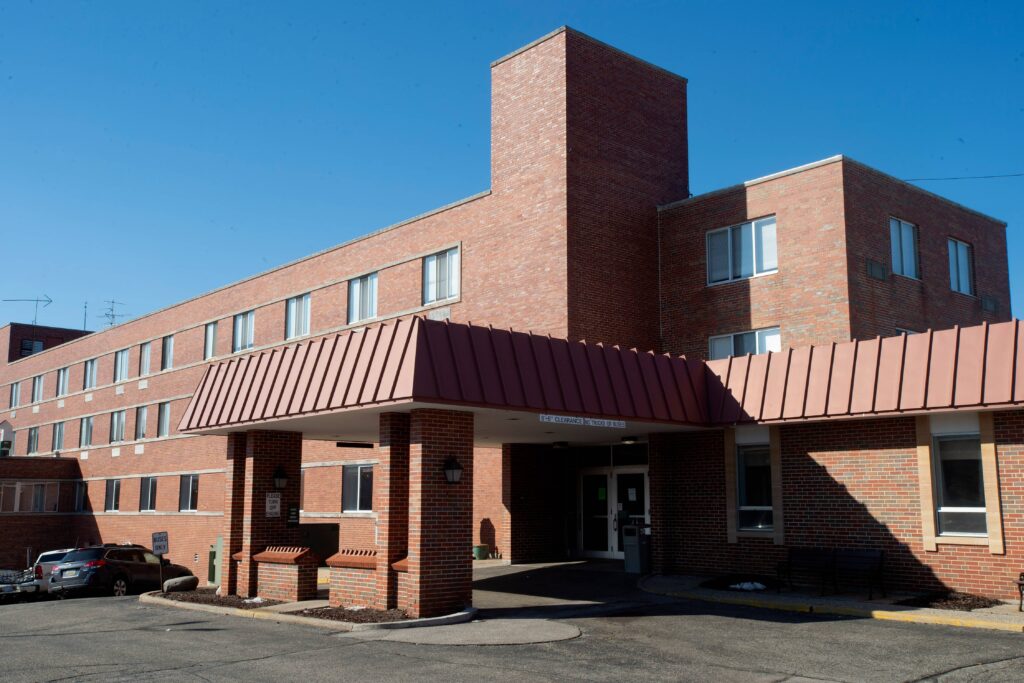
Family Promise is a well-known nonprofit network that provides emergency shelter, meals, and case management for homeless families. Unlike traditional shelters, which may separate men from women and children, Family Promise keeps families together, preserving unity during stressful times.
The organization partners with local communities and volunteers, transforming unused spaces like churches into temporary shelters. Families benefit from both short-term stability and access to long-term support, such as job placement and affordable housing programs. This holistic approach addresses both immediate safety and the transition to self-sufficiency.
2. HUD Housing Choice Voucher Program

The U.S. Department of Housing and Urban Development (HUD) provides a critical resource for homeless families through its Housing Choice Voucher Program. Commonly known as Section 8, this program subsidizes rental costs, allowing families to secure housing in safe neighborhoods while paying only a portion of their income toward rent.
For homeless families, this program represents a pathway out of shelters into stable housing. Landlords receive direct payments, which encourages more participation and expands housing opportunities. It not only addresses immediate housing insecurity but also gives families the chance to build a more sustainable life.
3. Feeding America Food Bank Network
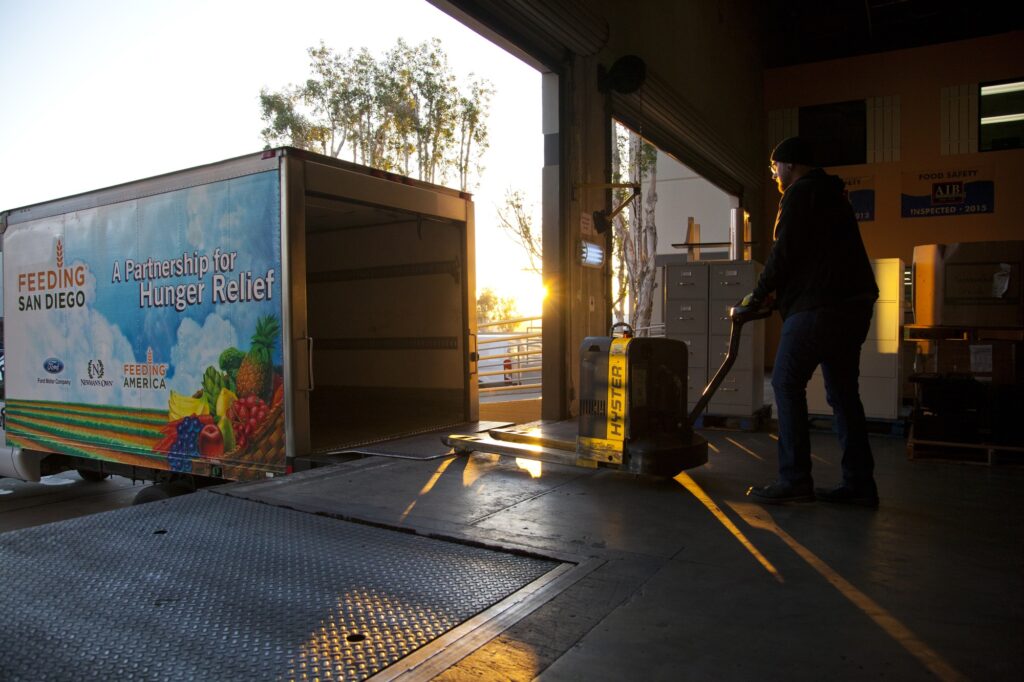
Food insecurity is one of the biggest challenges for homeless families. Feeding America operates a nationwide network of food banks and pantries that distribute groceries and meals to those in need. Families experiencing homelessness can access fresh produce, canned goods, and even hot meals through local partners.
This network ensures that children and parents have consistent access to nutrition. Beyond food distribution, Feeding America also advocates for policies addressing hunger at its root, making it a long-term resource for reducing family food insecurity.
4. School-Based Homeless Liaison Programs
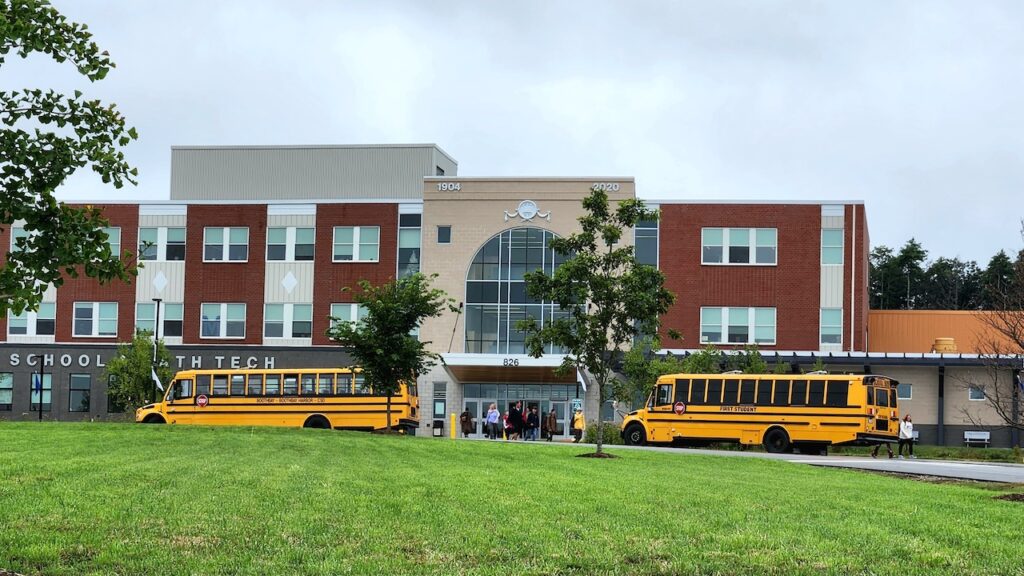
Education is often disrupted for homeless children, creating long-term disadvantages. Under the McKinney-Vento Homeless Assistance Act, schools in the U.S. are required to provide support for homeless students, including transportation, enrollment assistance, and school supplies.
Homeless liaisons within school districts ensure children maintain access to education despite unstable housing. This resource is invaluable in providing consistency for children while giving parents time to focus on securing long-term housing solutions.
5. Technology-Based Resource Platforms

In recent years, technology has played a transformative role in connecting homeless families with support services. Platforms like Homeless Shelter Directory and 211 helplines provide searchable databases of shelters, food pantries, medical assistance, and more. These tools allow families to find help nearby in real time, often through mobile apps or simple phone calls.
Technology-driven resources empower families to take control of their situations, reducing barriers to entry and ensuring they can access essential services quickly. This innovation highlights how digital solutions can complement traditional support networks.
Benefits of Using Technology in Homeless Family Resources
Improved Accessibility
Technology reduces barriers by making information easy to access. Families can use mobile apps or websites to locate nearby shelters, medical services, or food assistance without needing physical referrals. This is particularly important when families are displaced and unfamiliar with their surroundings.
Faster Response in Emergencies
When families face immediate crises-such as eviction, hunger, or unsafe conditions-technology enables quicker responses. Real-time updates on bed availability, food distribution schedules, and healthcare services can mean the difference between stability and prolonged hardship.
Integration with Broader Support Systems
Technology also allows for integration across different services. A single platform may connect families to housing, food, healthcare, and employment resources simultaneously. This holistic approach mirrors the interconnected needs of homeless families and reduces duplication of effort.
Practical Use Cases of Resources for Homeless Families
Transitioning from Shelter to Stability
A single mother with two children may find emergency shelter through Family Promise. Once immediate housing needs are addressed, she can access job training through local nonprofits and apply for a HUD voucher. Over time, this combination of resources enables her to move into stable housing while maintaining employment and supporting her children’s education.
Food Security and Health Support
A family experiencing housing instability may turn to Feeding America’s food banks for groceries while staying in transitional housing. Simultaneously, the family accesses healthcare services listed on technology platforms like 211. Together, these resources ensure the family maintains nutrition and medical care during an otherwise difficult transition period.
Education Continuity for Children
Two children facing homelessness with their parents are connected to their school’s homeless liaison. They continue attending school without disruption, receive free transportation, and are supplied with backpacks and materials. This continuity prevents educational setbacks while the parents focus on regaining stable housing through community resources.
Community and Volunteer-Based Assistance
Churches and local nonprofits may convert unused spaces into temporary shelters, offering meals, counseling, and support. Families benefit from the community-driven model, which not only provides housing but also restores dignity and a sense of belonging.
FAQs
Q1. What is the most immediate resource available for homeless families?
Emergency shelters are the most immediate resource, offering safe overnight accommodations, meals, and access to support services. They serve as the first step in stabilizing families during a crisis.
Q2. How can homeless families access healthcare?
Homeless families can access healthcare through community clinics, government-funded programs, and nonprofit organizations. Many platforms, such as 211 helplines, also provide listings of local healthcare resources available for free or at reduced cost.
Q3. Are there resources to ensure children of homeless families continue their education?
Yes, under the McKinney-Vento Homeless Assistance Act, schools must provide services to ensure homeless children continue attending classes. This includes transportation assistance, school supplies, and emotional support programs.