Programs for Homeless Mothers Comprehensive Support and Real-World Solutions
Homelessness among mothers is a growing social issue with wide-ranging consequences for both women and their children. Single mothers, in particular, are more vulnerable due to the challenges of balancing childcare, employment, and financial stability. Programs for homeless mothers are designed to provide holistic support, ranging from emergency shelter and food assistance to education, job training, and long-term housing solutions.
The importance of these programs cannot be overstated. Without adequate resources, homeless mothers and their children face risks such as malnutrition, disrupted education, and long-term poverty. By offering targeted assistance, communities can break the cycle of homelessness and create a pathway to stability and independence.
Types of Programs for Homeless Mothers
Programs for homeless mothers typically address both immediate and long-term needs. These include:
-
Emergency housing and shelters for immediate safety.
-
Transitional housing programs that bridge the gap between temporary and permanent housing.
-
Healthcare services focusing on maternal and child health.
-
Employment and education support to build long-term stability.
-
Technology platforms that connect mothers with real-time resources and guidance.
Each of these categories plays a vital role in ensuring that homeless mothers receive comprehensive support tailored to their unique circumstances.
Real-World Examples of Programs for Homeless Mothers
1. Mother and Child Program – Catholic Charities
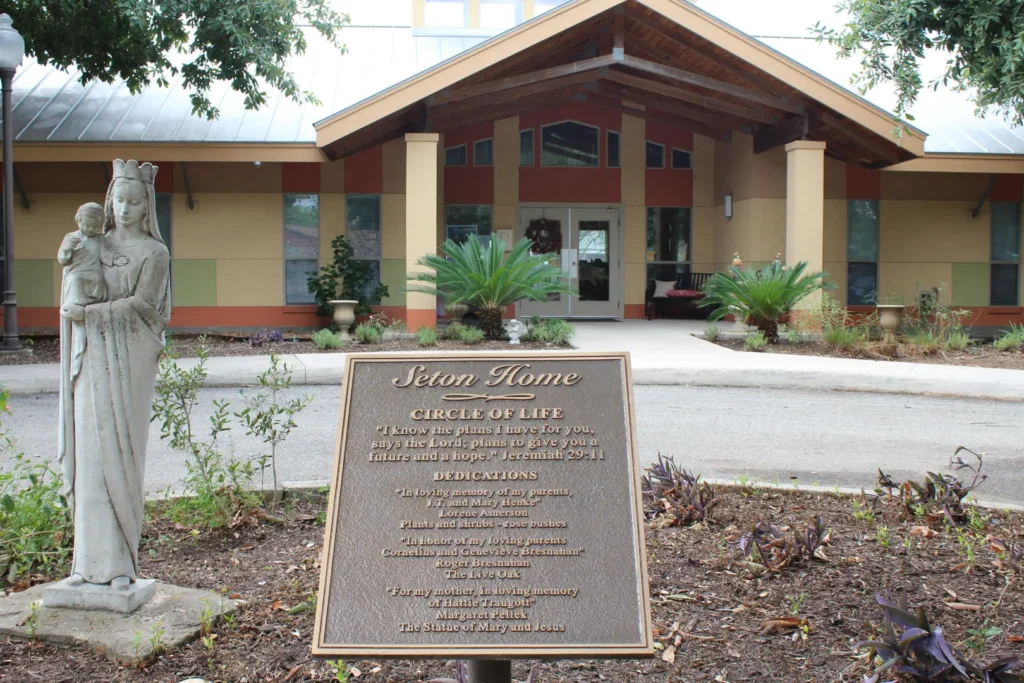
The Mother and Child Program offered by Catholic Charities provides safe housing for pregnant women and mothers with young children. This program not only addresses the immediate need for shelter but also provides counseling, parenting classes, and healthcare support.
For homeless mothers, this resource represents a chance to regain stability while maintaining the bond with their children. By offering holistic support, the program helps families transition from crisis to long-term independence.
2. HUD Family Unification Program

The Family Unification Program (FUP), funded by the U.S. Department of Housing and Urban Development (HUD), is specifically designed to provide housing vouchers for families, including single mothers at risk of losing custody of their children due to housing instability.
This program is particularly important because it not only addresses homelessness but also ensures family preservation. By stabilizing housing, mothers can focus on parenting, employment, and education while keeping their families intact.
3. The Salvation Army’s Transitional Housing Programs

The Salvation Army operates transitional housing and support services for homeless mothers. These programs often include safe housing, childcare, counseling, and access to job training opportunities.
The transitional model is critical because it offers more than short-term shelter. It allows mothers to stabilize their lives while receiving the tools needed for long-term success, including financial literacy training and access to community networks.
4. National Diaper Bank Network
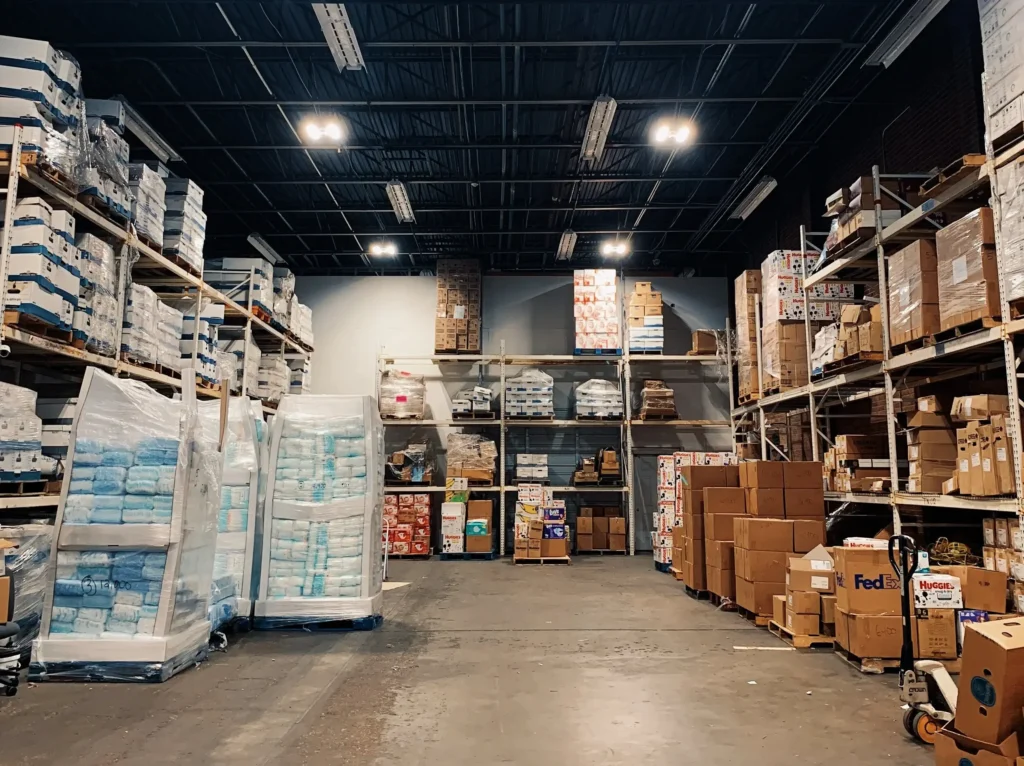
One often overlooked challenge for homeless mothers is access to basic childcare supplies, such as diapers and baby products. The National Diaper Bank Network addresses this gap by providing essential items to families in need across the country.
This support alleviates financial pressure and ensures children receive proper care even during unstable housing situations. For mothers struggling to balance food, rent, and childcare needs, the availability of such resources is a lifeline.
5. Technology Platforms like 211 Helpline
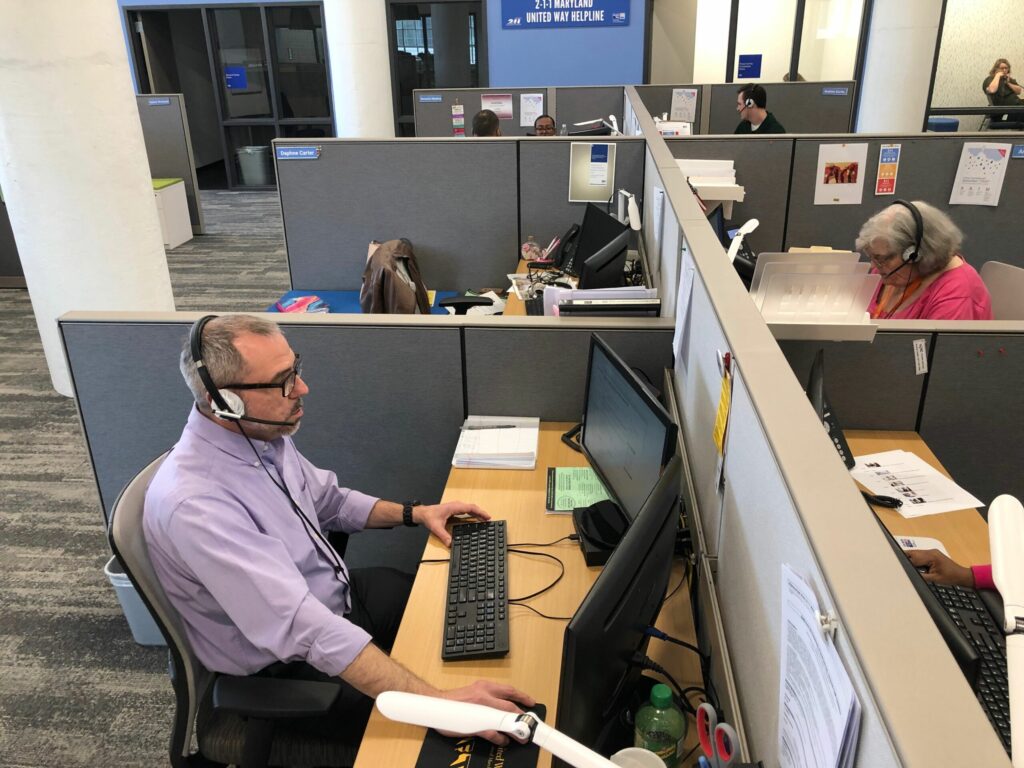
Technology has become an invaluable resource for homeless mothers. The 211 Helpline, available across many regions, connects families with local shelters, food pantries, healthcare providers, and employment services.
Homeless mothers can use the platform to locate immediate assistance near them, often through a simple phone call or mobile search. This accessibility reduces barriers to finding help, especially for mothers with limited transportation options.
Benefits of Using Technology in Programs for Homeless Mothers
Accessibility and Awareness
Technology platforms help mothers quickly find resources without needing physical referrals. For those without established community connections, this immediate access can mean quicker relief during crises.
Coordinated Care and Integration
Digital platforms often connect multiple services, from housing to healthcare. This integration is particularly valuable for homeless mothers, whose needs span across multiple areas of support. A single app or helpline can save hours of searching and reduce stress in urgent situations.
Privacy and Safety
For mothers escaping unsafe environments, technology offers discreet access to resources. They can search for shelters or food assistance without publicly disclosing their situations, ensuring safety while still accessing vital help.
Practical Use Cases of Programs for Homeless Mothers
Emergency Shelter and Transition
A young mother with an infant may find immediate safety in Catholic Charities’ Mother and Child Program. After securing housing, she participates in parenting classes and receives healthcare support, ultimately transitioning to permanent housing through a HUD voucher.
Family Preservation
A mother at risk of losing custody due to homelessness may qualify for the HUD Family Unification Program. By receiving a housing voucher, she avoids family separation and provides a stable environment for her children. This reduces long-term trauma for both mother and children.
Meeting Daily Childcare Needs
A mother struggling with income may receive diapers and baby care items through the National Diaper Bank Network. This allows her to redirect limited financial resources toward food and housing, easing the daily stress of survival.
Employment and Education Support
Through the Salvation Army’s transitional housing programs, a mother gains access to job training and childcare services. With the support system in place, she secures stable employment, which enables her to achieve long-term independence and stability for her family.
Technology as a Bridge
A homeless mother without community connections uses the 211 Helpline to locate the nearest shelter and food pantry. Within hours, she accesses safe housing and meals for her children, highlighting how digital platforms reduce barriers in real-world situations.
FAQs
Q1. What are the most critical programs for homeless mothers?
The most critical programs include emergency shelters, transitional housing, family preservation programs like HUD’s Family Unification Program, and community support services that provide childcare, food, and healthcare. These resources address both short-term crises and long-term stability.
Q2. How does technology support homeless mothers in finding resources?
Technology platforms like the 211 Helpline allow mothers to quickly locate nearby shelters, food assistance, and healthcare services. By centralizing information, these tools reduce barriers and provide immediate access to support during crises.
Q3. Are there programs that specifically help homeless mothers with infants?
Yes, programs such as the Catholic Charities Mother and Child Program and the National Diaper Bank Network provide tailored support for mothers with infants. These include housing, healthcare, parenting resources, and essential childcare supplies.