Distribution Centers Role, Benefits, and Real World Use Cases Explained
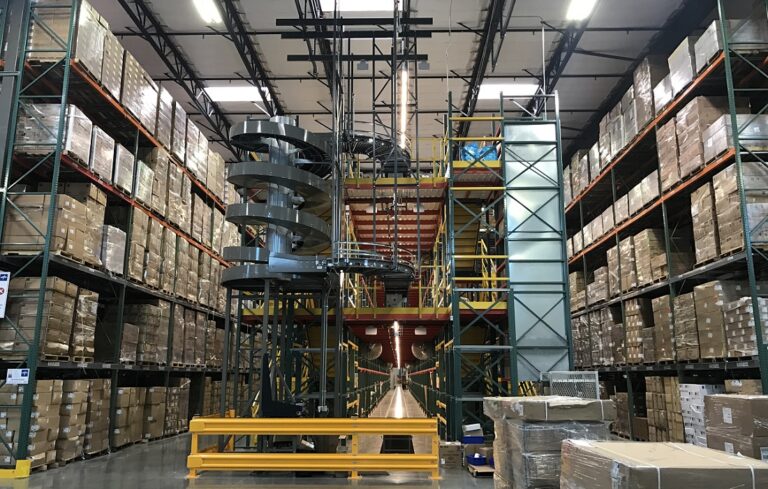
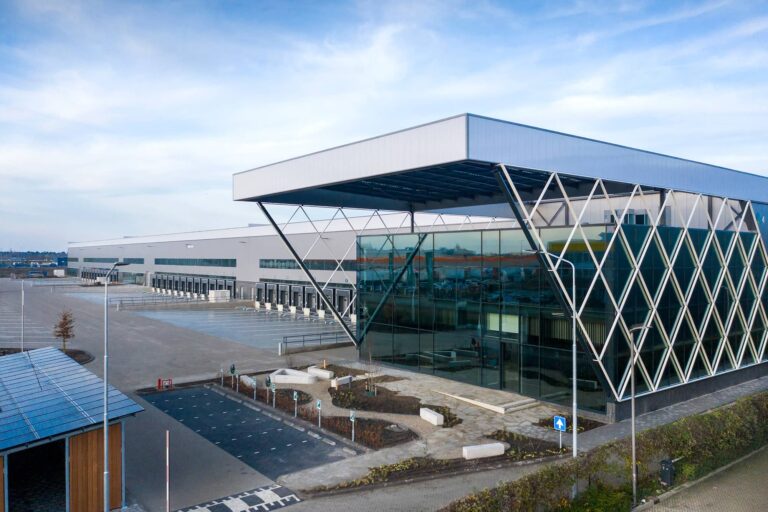
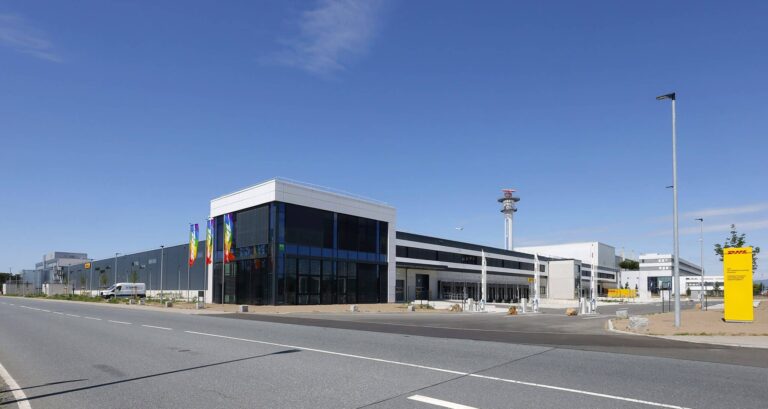
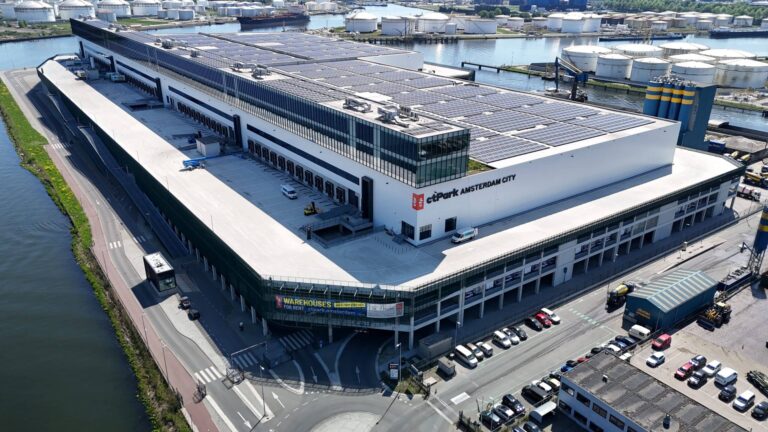
Distribution centers are large facilities designed to store, manage, and distribute products efficiently to retailers, wholesalers, or directly to consumers. Unlike traditional warehouses that primarily focus on storage, distribution centers integrate logistics operations such as sorting, packing, order fulfillment, and transportation coordination. They play a central role in modern supply chain management by acting as hubs that connect manufacturers with their end markets.
The growth of e-commerce, global trade, and consumer expectations for faster delivery has significantly increased the importance of distribution centers. Companies no longer see them as passive storage sites but as active logistical systems that determine competitiveness. By ensuring timely distribution, these facilities help reduce costs, improve service levels, and optimize overall business efficiency.
Key Functions of Distribution Centers
Distribution centers serve as the backbone of logistics operations. They perform multiple functions beyond storage, making them critical for companies aiming to streamline supply chain processes.
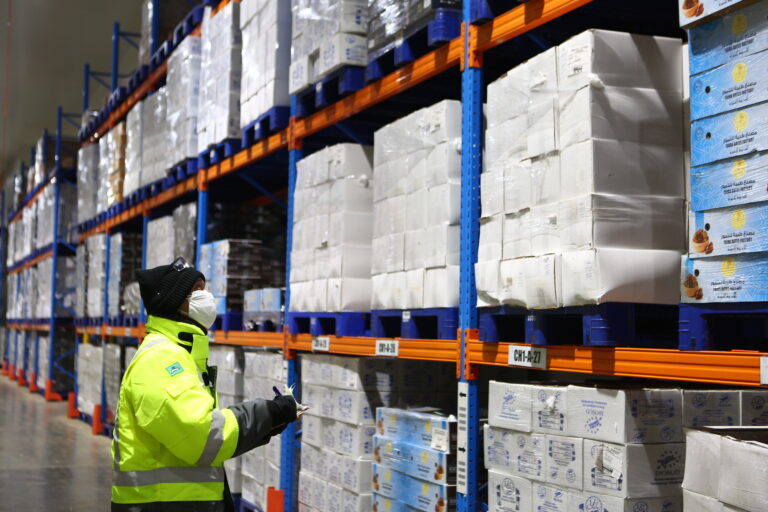
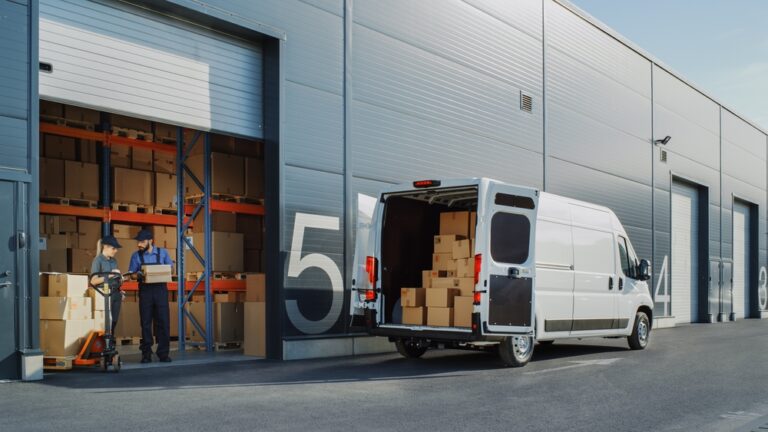
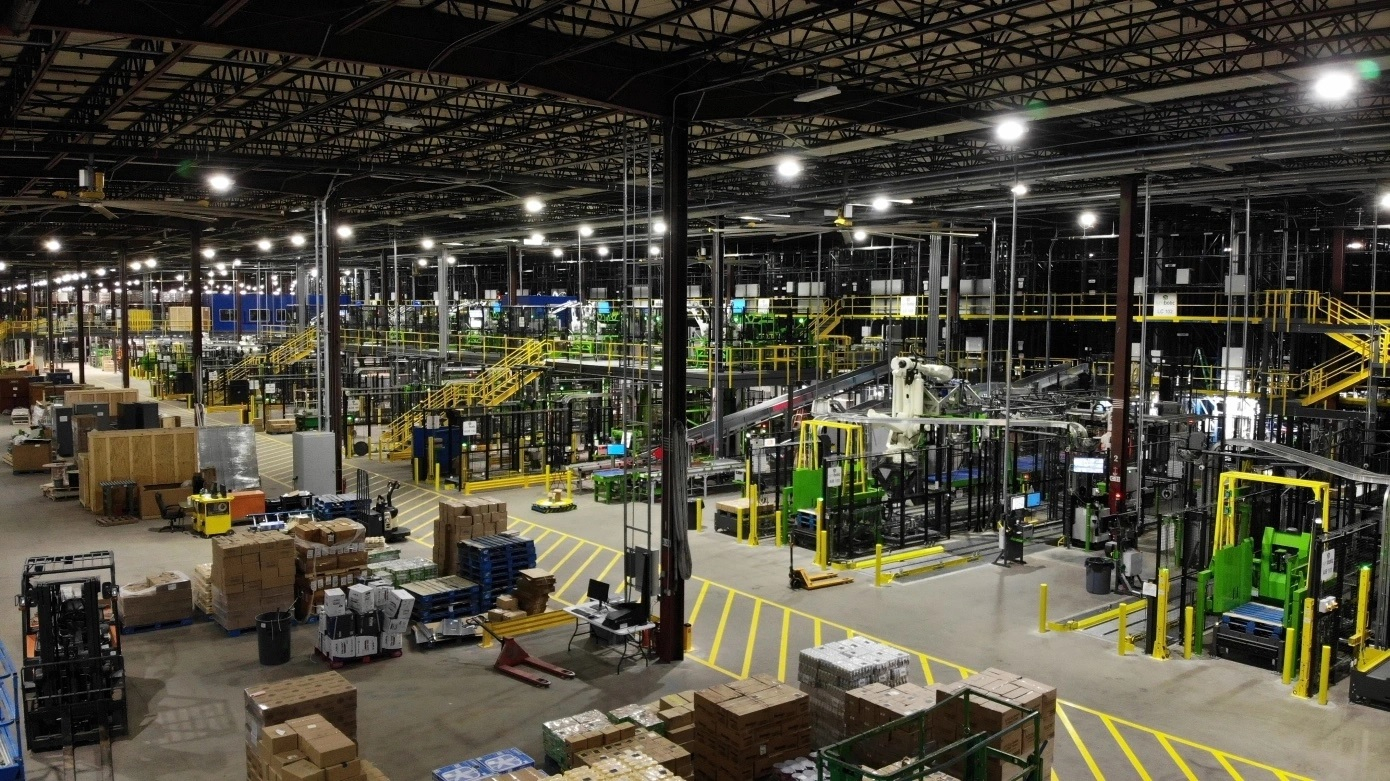
One of the main functions is inventory management, which involves keeping stock levels optimized to meet demand without overstocking. Distribution centers also handle cross-docking, where products are quickly transferred from inbound trucks to outbound vehicles without prolonged storage. Additionally, they oversee order processing, packaging, labeling, and shipment consolidation, ensuring that goods reach the right destination on time.
By combining these functions under one roof, distribution centers minimize delays and maximize efficiency. This integrated system reduces transportation costs, shortens delivery times, and ensures customers receive accurate and timely orders.
Benefits of Distribution Centers in Modern Business
Distribution centers provide numerous advantages to businesses across industries. One of the biggest benefits is speed and efficiency in order fulfillment. Companies can quickly respond to market demands, delivering products faster and maintaining customer satisfaction.
Another benefit is cost reduction. Centralized distribution reduces the need for multiple small warehouses, lowering storage and transportation expenses. It also allows companies to negotiate better shipping rates due to bulk operations.
Finally, distribution centers support scalability. As businesses grow, these facilities can adapt to increased demand, integrate advanced technologies, and improve operational flexibility. By leveraging automation, robotics, and AI-driven analytics, companies can future-proof their logistics operations and remain competitive.
Real-World Examples of Distribution Centers in Action
1. Amazon Fulfillment Centers
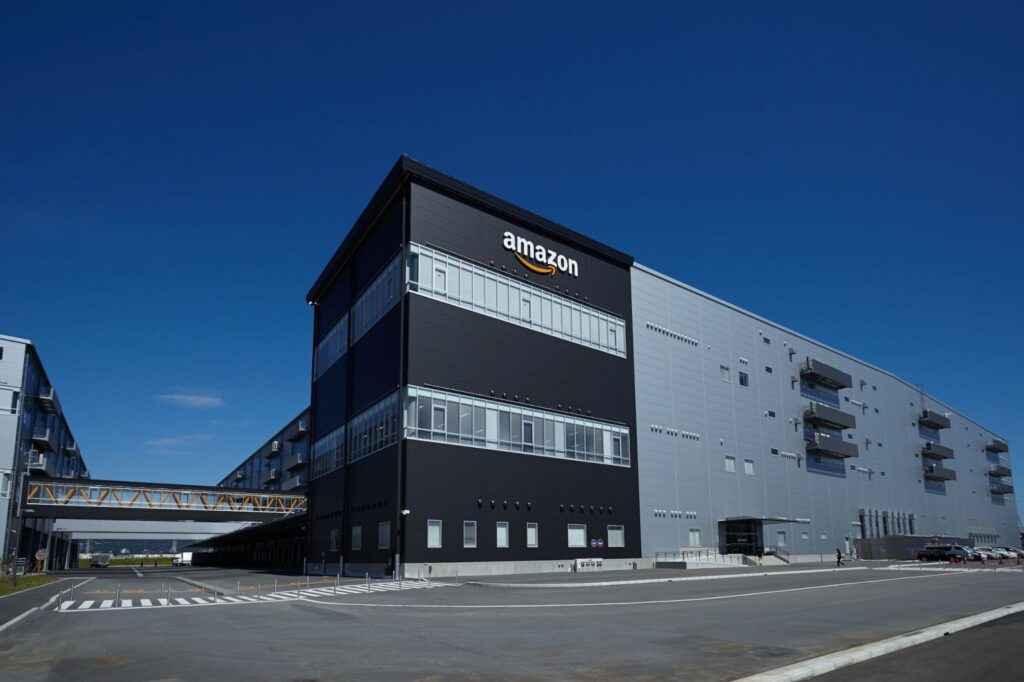
Amazon operates one of the largest and most advanced networks of distribution centers worldwide, known as fulfillment centers. These facilities are equipped with cutting-edge automation technologies, including robots that transport shelves of products to human workers for picking and packing.
The relevance of Amazon’s model lies in its ability to deliver millions of products quickly and efficiently, often within one or two days. By strategically placing fulfillment centers near major cities, Amazon minimizes delivery times while reducing transportation costs. Their system demonstrates how technology and distribution centers together redefine consumer expectations for speed and convenience.
2. Walmart Regional Distribution Centers
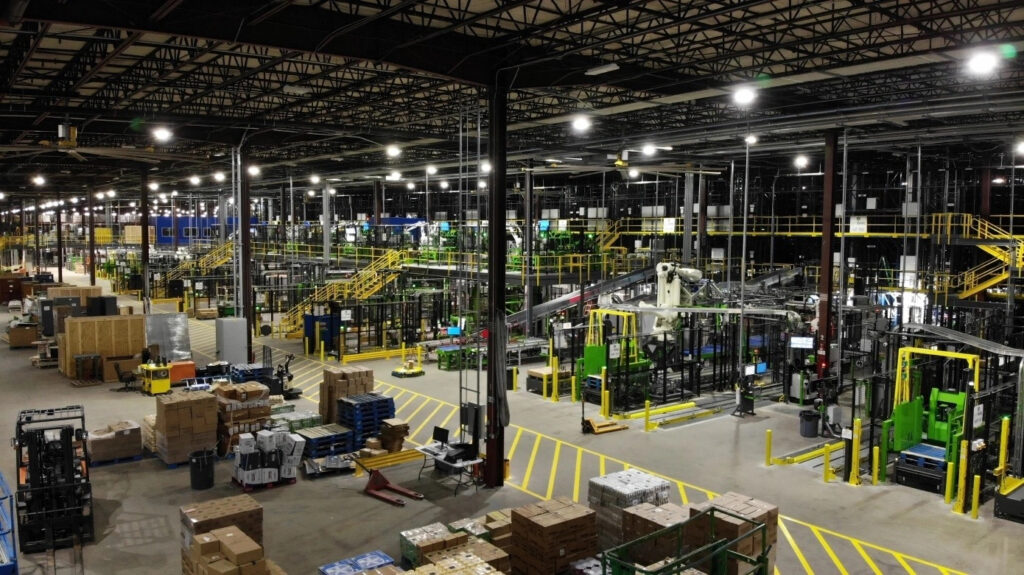
Walmart relies heavily on its network of regional distribution centers to keep shelves stocked across thousands of retail stores. These facilities are designed for high-volume throughput and focus on both dry goods and perishables.
Each center uses advanced logistics management systems to coordinate product flow from suppliers to stores. By centralizing operations, Walmart ensures consistent inventory levels, reduces out-of-stock scenarios, and lowers operational costs. This approach has been key in sustaining Walmart’s reputation for low prices and wide product availability.
3. FedEx Ground Distribution Hubs
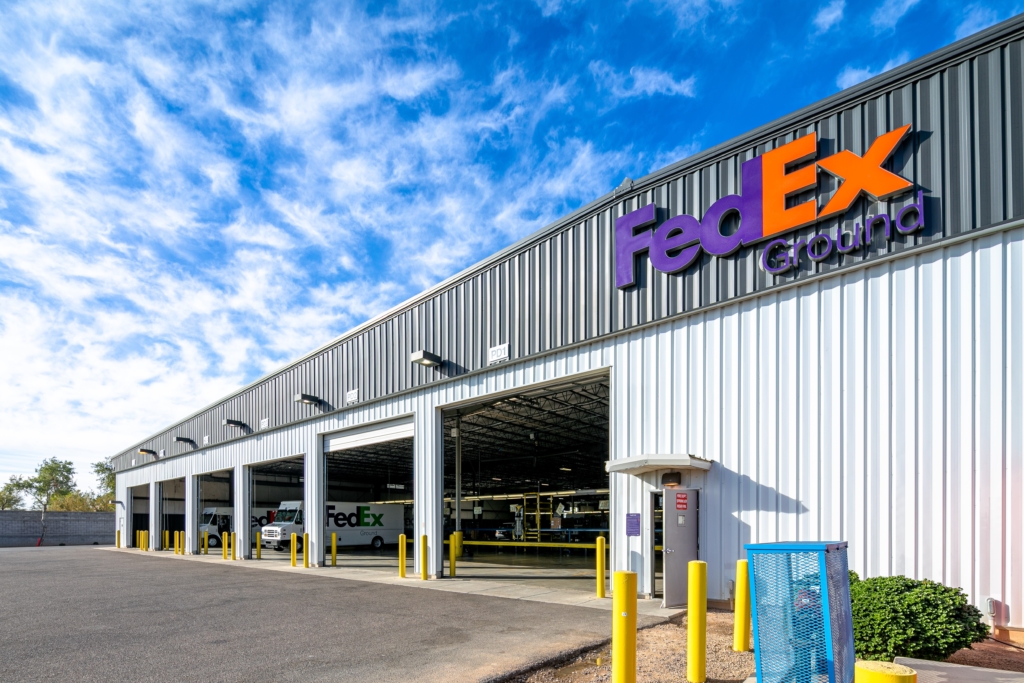
FedEx operates specialized distribution hubs designed to process and redirect millions of packages daily. Their distribution centers focus on speed, routing packages from senders to recipients with minimal delays.
The relevance of FedEx’s model is in the synchronization of transportation and logistics. These hubs are strategically located near airports and major transportation routes, allowing for rapid processing and shipment consolidation. Businesses and consumers alike benefit from the reliability and precision of FedEx’s distribution system.
4. Tesla Gigafactory Distribution Model
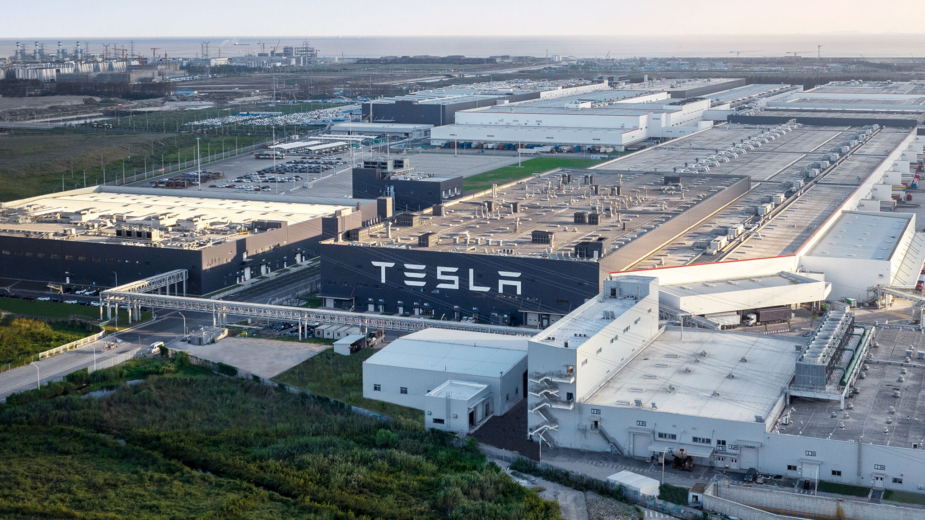
Tesla’s gigafactories serve not only as production plants but also as integrated distribution centers. After manufacturing electric vehicles and energy products, these facilities handle logistics operations, ensuring delivery to regional markets worldwide.
This dual-function model highlights how modern companies can combine production and distribution under one ecosystem. By reducing dependence on third-party logistics, Tesla maintains tighter control over quality, delivery timelines, and overall customer experience.
Use Cases of Distribution Centers in Everyday Business
Distribution centers solve a variety of real-world problems. For e-commerce companies, they address the challenge of delivering products quickly to customers scattered across regions. Without centralized facilities, delivery times would be longer, and operational costs would increase.
For retailers, distribution centers eliminate stock shortages by ensuring the timely replenishment of stores. They also help in seasonal demand management, where products must be delivered quickly during peak shopping periods.
Manufacturers benefit from distribution centers by reducing bottlenecks between production and delivery. Instead of overloading factories with shipping responsibilities, goods can be transferred to a distribution hub for efficient sorting and delivery.
How Technology Enhances Distribution Centers
Modern distribution centers are becoming increasingly reliant on technology. Automation through robotics enables faster order picking and reduces human error. Artificial intelligence provides predictive analytics, helping companies anticipate demand and optimize inventory levels.
Additionally, warehouse management systems (WMS) improve visibility and control over logistics operations. Real-time tracking allows businesses to monitor shipments, reducing the risk of delays and enhancing customer satisfaction. Technologies like IoT sensors further improve accuracy by tracking temperature, humidity, and other factors critical to sensitive goods.
Challenges Faced by Distribution Centers
Despite their importance, distribution centers also face challenges. One major issue is rising operational costs, including labor, energy, and real estate expenses. Companies must balance cost efficiency with the demand for faster delivery.
Another challenge is sustainability. As consumer demand for eco-friendly practices grows, distribution centers must adopt greener technologies, such as electric vehicles, renewable energy, and energy-efficient buildings. Adapting to these requirements requires investment but also creates opportunities for long-term efficiency.
Future of Distribution Centers
The future of distribution centers lies in smarter, more automated, and more sustainable operations. Autonomous vehicles, drone deliveries, and AI-driven logistics platforms will reshape how goods move across supply chains. Facilities will likely evolve into multi-functional hubs capable of handling both traditional retail distribution and direct-to-consumer e-commerce demands.
By investing in innovation, companies can transform distribution centers into competitive advantages, not just logistical necessities. Businesses that embrace this shift will be better prepared to meet evolving market expectations.
Frequently Asked Questions
Q1. What is the difference between a warehouse and a distribution center?
A warehouse primarily stores goods for long periods, focusing on inventory holding. A distribution center, on the other hand, actively manages product flow, including sorting, packing, and shipping, making it a more dynamic part of the supply chain.
Q2. Why are distribution centers important for e-commerce?
Distribution centers allow e-commerce businesses to deliver products faster by keeping inventory close to customers. They streamline order processing, reduce shipping times, and improve overall customer satisfaction.
Q3. How does technology improve distribution centers?
Technology such as robotics, AI, and warehouse management systems enhances efficiency, reduces errors, and provides real-time visibility. These tools allow businesses to optimize operations, anticipate demand, and adapt to changing logistics requirements.