Real Estate Logistics Companies Complete Guide to Benefits, Technology, and Use Cases in 2025
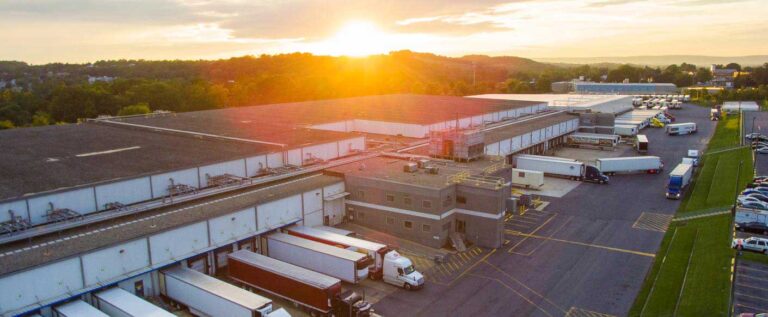
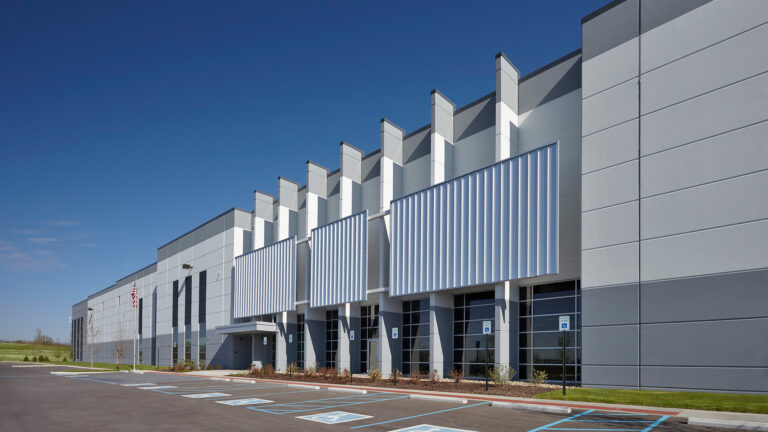
Real estate logistics companies are at the center of global commerce, providing the infrastructure necessary to support modern supply chains. These companies focus on building, managing, and leasing industrial properties such as warehouses, distribution centers, and logistics parks. In today’s world of rapid e-commerce growth, just-in-time manufacturing, and globalized trade, such facilities are indispensable.
The rise of digital shopping, automation, and last-mile delivery has transformed the logistics real estate sector into a highly strategic industry. Beyond offering storage space, real estate logistics companies now deliver innovative solutions that combine technology, sustainability, and strategic location to help businesses meet growing consumer demands.
What Are Real Estate Logistics Companies?
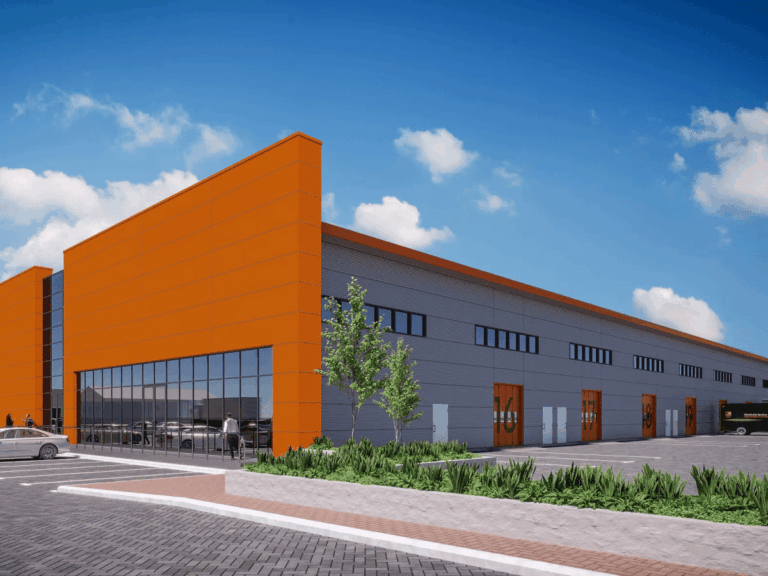
Real estate logistics companies specialize in industrial properties designed for logistics and distribution purposes. Unlike traditional real estate developers, they focus on supply chain efficiency, ensuring that goods can move from production facilities to end consumers as smoothly as possible.
Their services go beyond constructing buildings. These companies strategically select locations near ports, highways, and airports, while incorporating advanced technology like warehouse automation, robotics, and IoT-driven systems. As a result, they provide businesses with infrastructure that reduces costs, improves delivery speed, and enhances operational resilience.
Why Real Estate Logistics Companies Matter in 2025
In 2025, the demand for efficient logistics real estate continues to soar. E-commerce growth and global supply chain challenges have emphasized the need for reliable infrastructure. Without the strategic work of logistics real estate companies, many industries would face bottlenecks, longer delivery times, and rising costs.
Urbanization is another driving force. Consumers expect same-day or next-day delivery, pushing logistics hubs closer to major cities. At the same time, sustainability requirements encourage the development of energy-efficient warehouses, green logistics parks, and carbon-neutral supply chain facilities.
Real-World Examples of Leading Real Estate Logistics Companies
1. Prologis
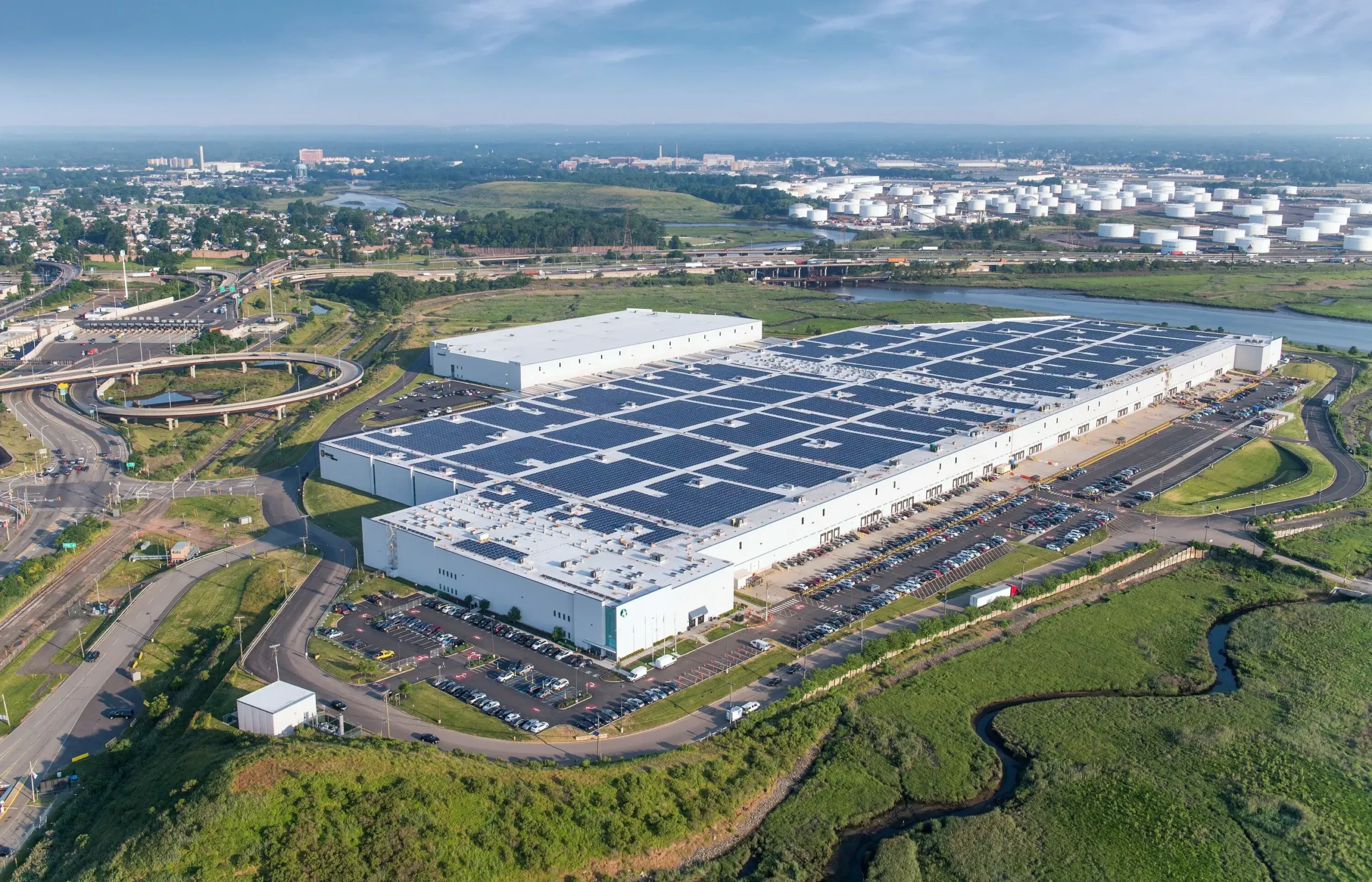
Prologis is a global leader in logistics real estate, managing millions of square meters of distribution and warehouse facilities worldwide. The company supports retail giants, e-commerce platforms, and logistics providers.
What makes Prologis stand out is its focus on sustainability and technology. Their warehouses often feature renewable energy installations, efficient lighting systems, and smart building technologies. This helps tenants lower operational costs while contributing to environmental goals.
2. Goodman Group
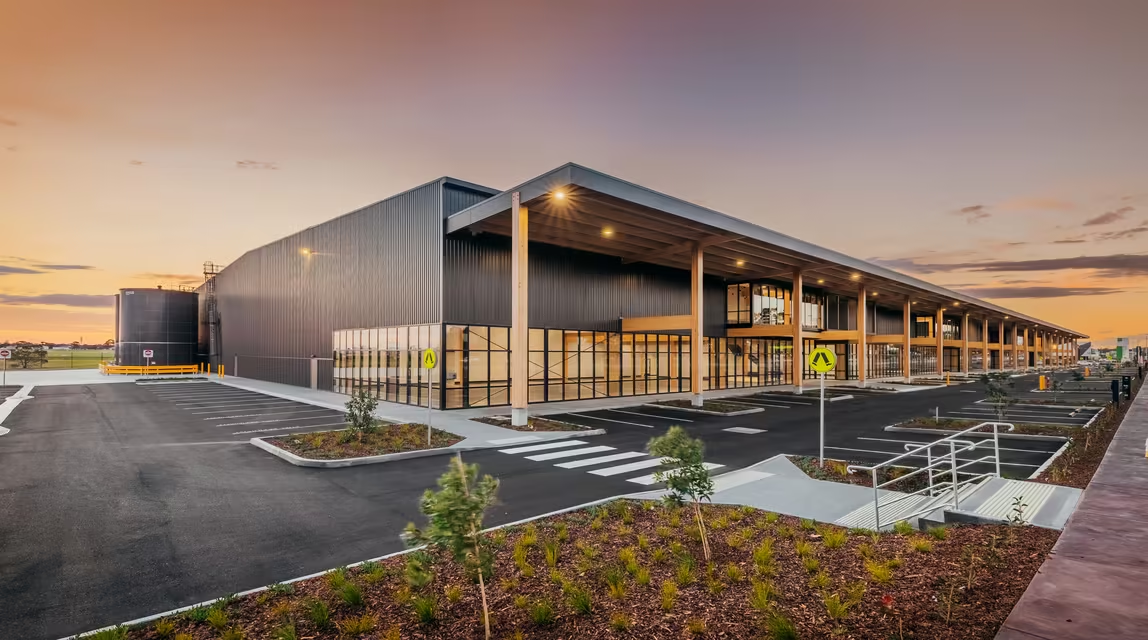
Goodman Group is a major logistics real estate company with a strong presence in Europe, Asia-Pacific, and the Americas. It specializes in developing flexible logistics hubs that serve diverse industries such as retail, pharmaceuticals, and automotive.
Goodman’s projects often include customer-tailored features like scalable storage areas and integrated cold chain facilities. Their emphasis on carbon-neutral designs positions them as a pioneer in green logistics real estate.
3. GLP (Global Logistic Properties)

GLP is a technology-driven logistics real estate provider with operations in Asia, Europe, and the Americas. Known for its smart warehouses, GLP integrates robotics, AI, and data analytics into its properties.
This technology allows tenants to optimize supply chains, predict demand fluctuations, and automate processes. By combining real estate expertise with digital platforms, GLP sets itself apart as a forward-thinking logistics partner.
4. Segro
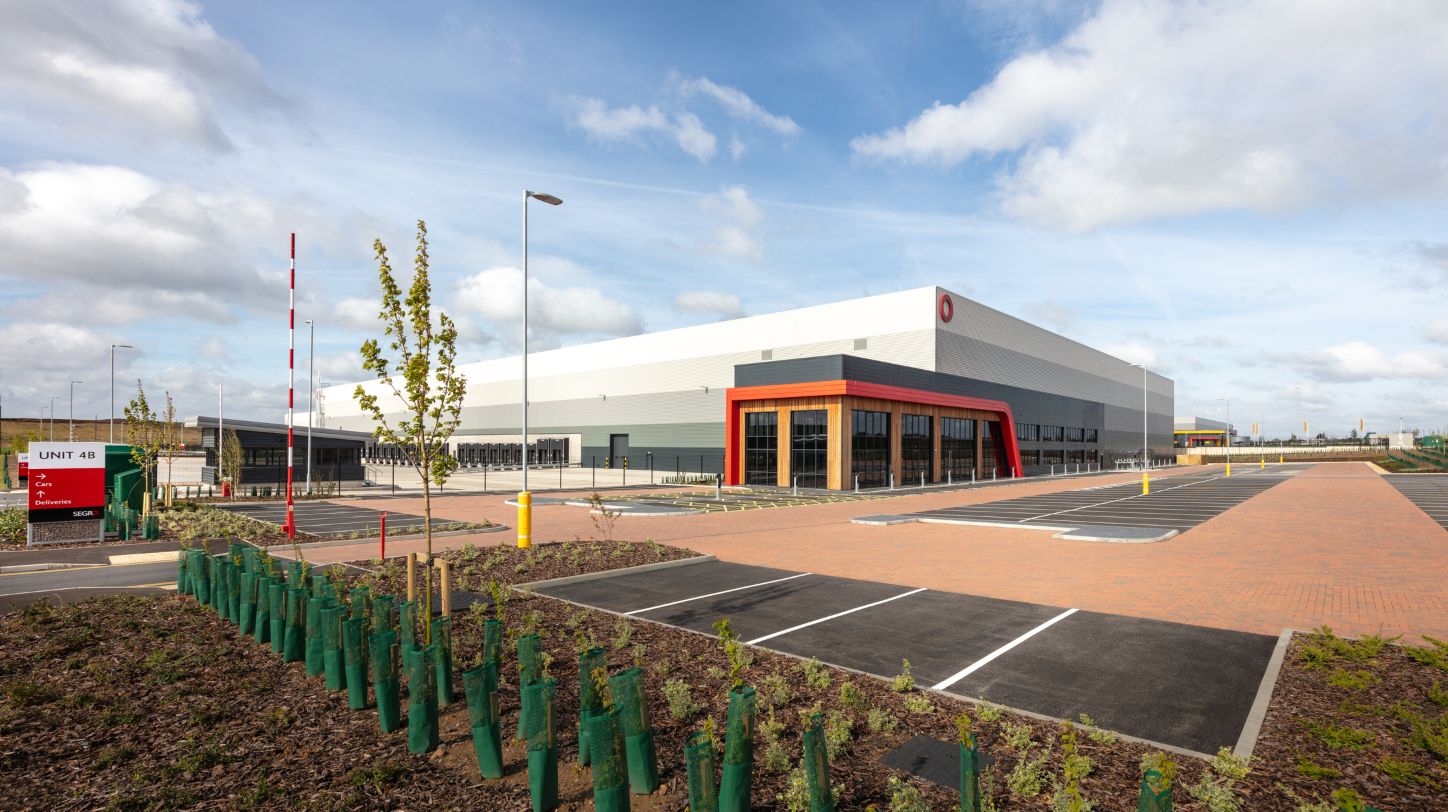
Segro is one of Europe’s largest logistics real estate companies, specializing in urban logistics and last-mile delivery hubs. Its properties are strategically located near urban centers, making them essential for retailers that need fast delivery capabilities.
Segro’s facilities also emphasize sustainability. From installing green roofs to investing in energy-efficient operations, the company aligns with the increasing demand for environmentally conscious logistics solutions.
Benefits of Real Estate Logistics Companies
Strategic Location and Supply Chain Efficiency
Real estate logistics companies develop properties in prime locations near ports, highways, and airports. This reduces transit times, supports just-in-time manufacturing, and ensures faster deliveries to end consumers. The result is a supply chain that is both efficient and cost-effective.
Technological Advancements
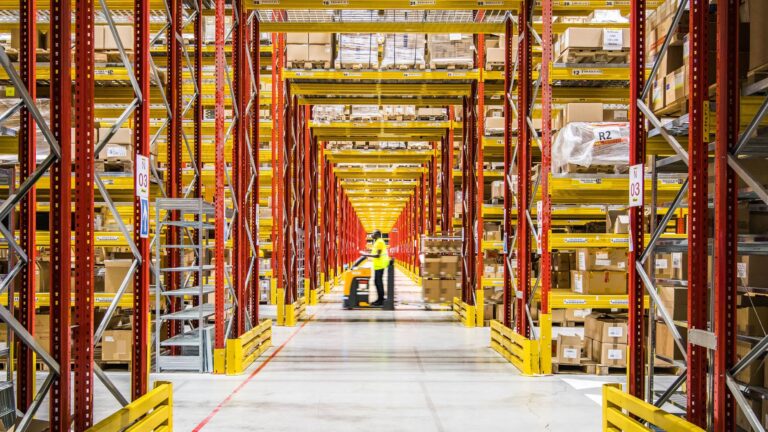
Modern logistics facilities are no longer simple storage spaces. They are equipped with automation, robotics, IoT devices, and AI-driven management systems. These technologies improve accuracy, enhance productivity, and provide real-time visibility into operations.
Scalability and Flexibility
As businesses grow, their logistics needs evolve. Real estate logistics companies offer scalable solutions, from small urban hubs to massive regional distribution centers. This flexibility ensures that companies can adapt to market changes without disruption.
Sustainability and Green Initiatives
Sustainability is at the core of many logistics real estate developments. From renewable energy integration to eco-friendly construction materials, companies are working to reduce carbon footprints while offering long-term operational savings for tenants.
Use Cases of Real Estate Logistics Companies
E-Commerce Fulfillment Centers
E-commerce companies rely heavily on logistics real estate to store, process, and ship goods quickly. Facilities are often equipped with robotics and automated picking systems that ensure fast order fulfillment, keeping up with consumer expectations for rapid delivery.
Cold Storage and Healthcare Logistics
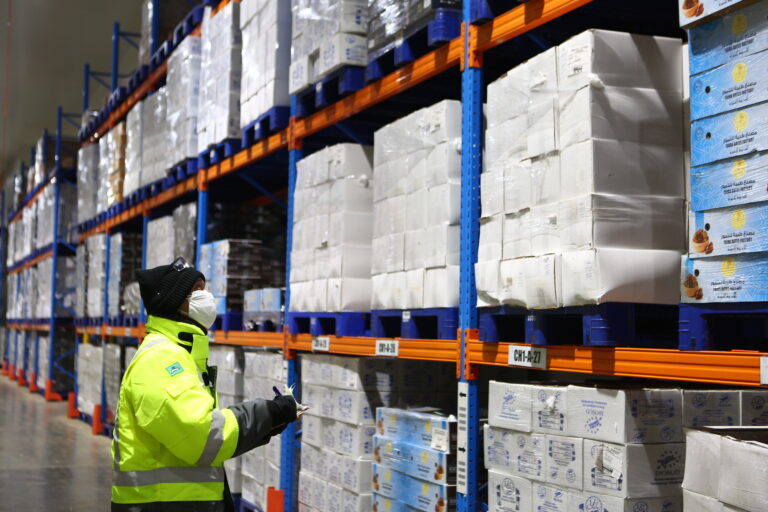
Healthcare logistics requires highly regulated, temperature-controlled storage. Real estate logistics companies develop cold storage warehouses that maintain strict temperature standards for vaccines, biologics, and food products. This is essential for both safety and compliance.
Urban Last-Mile Logistics
To meet rising demand for same-day delivery, logistics hubs are strategically built near city centers. These urban hubs allow retailers and delivery companies to cut down transportation times, improve efficiency, and enhance customer satisfaction.
Manufacturing and Industrial Supply Chains
Manufacturers depend on logistics real estate for storing raw materials and distributing finished goods. By integrating warehouses within industrial zones, companies reduce supply chain risks, avoid delays, and support streamlined production processes.
Frequently Asked Questions
Q1. What is the difference between real estate logistics companies and traditional real estate developers?
Real estate logistics companies focus specifically on supply chain infrastructure like warehouses and distribution centers, while traditional developers often focus on residential or commercial buildings.
Q2. How do real estate logistics companies integrate technology into their operations?
They use automation, robotics, IoT, and data analytics to optimize warehouse operations, improve accuracy, and enhance visibility across supply chains.
Q3. Why is sustainability important in logistics real estate?
Sustainable practices reduce energy costs, lower carbon emissions, and help businesses meet environmental regulations. They also make facilities more efficient and future-proof for tenants.